Why modern clothes don’t last (and why sustainable clothing matters)

Sustainable clothing: An investment in longevity and the planet.
Clothing used to be made to last. In the past, garments were woven with tightly packed fibres, giving fabric strength, durability and the ability to withstand years of wear. A small tear could be mended, a seam could be re-stitched, and the garment could continue its life for decades. Clothes were passed down through generations because garments held their shape and integrity.
Clothes are produced differently today.
Today, clothing is produced very differently. Fabrics are often made with looser weaves, cheaper fibres and faster manufacturing techniques. This results in a cloth that is lighter and less durable.
Now, when a single fibre snaps, it can easily unravel into a hole that weakens the entire garment. Instead of being repaired and reused, these pieces are quickly deemed unwearable and thrown away. They can’t be donated to charities or sold because nobody wants them.

Changes in garment and clothes manufacturing.
Past clothing production
The dense weave gave garments strength so they could withstand wear and tear.
In the past, clothing was made with durability in mind. Fabrics were tightly woven, often using high-quality natural fibres such as cotton, linen, or wool. This dense weave gave garments strength, helping them withstand everyday wear and tear. Clothes were also produced on a smaller scale, with craftsmanship and attention to detail playing a much greater role in the process.
When clothing did eventually show signs of wear, the integrity of the fabric meant it could be repaired. A hole could be patched, seams could be re-stitched, and buttons could be replaced without compromising the overall structure of the garment. This level of quality made it common for clothes to be passed down through families, lasting for decades or even generations.

Modern clothing production
To keep costs down and the demand for new trends, garments are produced quickly.
Today, the manufacturing process has shifted dramatically. To keep costs low and meet the constant demand for new trends, fabrics are often blended with synthetic fibres and produced as quickly as possible. This speed comes at a price. Many modern fabrics are woven loosely, giving garments a soft feel when purchased but making them far less durable.
These looser weaves are prone to issues: fibres can snap easily, holes can form from a single break, and the overall fabric weakens quickly. Clothes may look stylish straight off the rack, but after only a few wears they can lose shape, pill, fade, or develop thin patches. Repairing them is often difficult because the fabric is too weak to hold stitching or patching.
A throwaway culture
Clothes are in such poor condition they cannot be resold, donated or repurposed.
The decline in fabric quality is a major driver of today’s throwaway fashion culture. Because garments are not built to last, consumers have become accustomed to replacing clothing regularly instead of repairing it. Fast fashion brands encourage this cycle by releasing constant new collections at low prices, normalising poor quality as part of the shopping experience.
The result is a massive environmental problem. Clothes that wear out too quickly cannot be resold, donated, or easily repurposed, so they often end up in landfill. This waste is compounded by the energy, water, and resources used to manufacture these short-lived garments in the first place.

Why sustainable, quality clothing matters
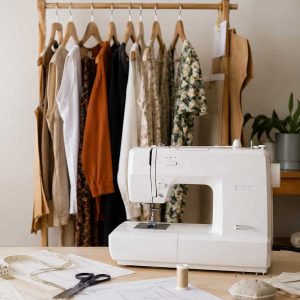
With the right care, quality made clothes will last a lifetime.
While cheaply made garments may seem like a bargain at first, they cost more in the long run. A wardrobe of short-lived pieces needs constant replacing, creating a cycle of waste and expense. By contrast, investing in better quality clothing means:
Longevity
A well-made garment can last for years, even decades, when properly cared for. Instead of wearing out after a handful of washes, quality clothing maintains its structure and continues to serve its purpose long into the future.
Sustainability
Investing in clothing that endures also reduces waste. Fewer replacements are needed, which means fewer garments end up in landfill and less strain is placed on the planet’s resources. Choosing sustainable clothing helps lower your overall environmental footprint.
Timelessness
Classic, well-constructed garments don’t just last physically—they also hold their style. While fast fashion pieces quickly look dated, timeless clothing often remains wearable season after season, giving you more value from each piece.
Repairability
Quality fabrics are stronger and far easier to repair or alter. A seam can be re-stitched, a hem adjusted, or the garment upcycled into something entirely new. Instead of being discarded, clothing with integrity can evolve and continue its life in different forms.
With the right care, quality clothing can last not just a lifetime but be handed down to future generations.
Dressmaking: creating clothing designed to last
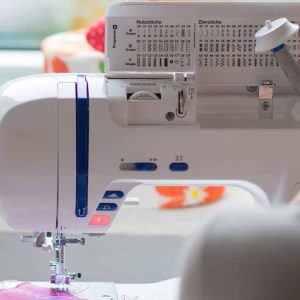
Learn to sew and start making quality clothes that last.
One of the most sustainable choices you can make is to create your own clothing from quality fabrics.
When you sew your own garments, you have complete control over the fabric, construction methods and finishing techniques used. Rather than settling for cheaply made fast-fashion garments, you can choose natural fibres and quality textiles that are designed to withstand years of wear. A well-made garment sewn from quality fabric can often outlast many store-bought alternatives.
Many people are surprised to discover how much unused fabric is already sitting in cupboards, sewing rooms and linen closets. Before buying new fabric, ask around. A parent, grandparent, aunt, neighbour or friend may have a collection of fabric they’ve been saving for years. These hidden stashes often contain beautiful cottons, linens, wools and dress fabrics that are difficult to find today and are frequently of a much higher quality than many modern alternatives.
Sewing your own clothing also encourages a different mindset. Instead of buying garments on impulse, you invest time and thought into selecting fabrics, choosing styles and creating pieces that suit your body, lifestyle and personal taste. The result is a wardrobe of garments that are valued, cared for and worn for longer.
My dressmaking courses teach the skills needed to create made-to-measure clothing from commercial sewing patterns. You’ll learn how to choose the correct pattern size, make fitting adjustments, understand garment construction and create clothing that fits your body properly. When clothing fits well and is made from quality materials, it is far more likely to become a long-term part of your wardrobe rather than another item destined for landfill.
In many ways, dressmaking is the opposite of fast fashion. It’s about slowing down, choosing quality over quantity and creating garments that are designed to last.
A better way forward: the future of clothing sustainability
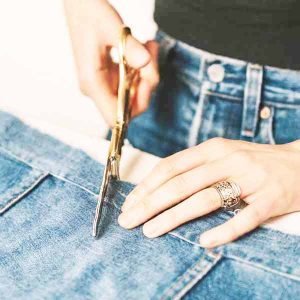
Choose pieces that are well made and long lasting.
Shifting our mindset away from disposable fashion means choosing pieces that are well-made, versatile and long-lasting. Learning basic upcycling and alteration skills can also extend the life of your wardrobe. Instead of throwing garments away when they no longer fit or start to wear, they can be reshaped, mended or transformed into something new.
Sustainable clothing and upcycling workshops
I believe clothing should be seen as an investment, not a disposable item. By choosing quality and caring for what we already own, we can reduce waste, save money and create wardrobes that truly last.
At my clothes upcycling and sustainability workshops, I explore how to make your wardrobe more sustainable. Workshops are designed to show you how simple changes like mending, altering, or upcycling, keep clothes for longer and reduce the need to buy new garments. You’ll learn practical sewing and repair skills that extend the life of your favourite garments, helping you build a wardrobe that lasts.
But sustainability goes beyond the sewing machine. In each workshop, we also look at everyday ways to reduce your fashion footprint, from caring for fabrics properly to making smarter shopping choices. Whether you’re new to sustainable living or already making conscious changes, you’ll come away with tips and strategies you can apply straight away.
Choosing sustainable clothing means shifting away from fast fashion and embracing quality, creativity, and personal style. By altering, repurposing, and repairing, you not only save money but also make a positive impact on the planet.
Workshops are held at our Northern Beaches studio in Sydney (near Northern Beaches Hospital), with both private lessons and group sessions available. I can also bring these clothing sustainability workshops to your workplace, school, or community event.
Bex Mitchell
0418 118 401
Send an SMS
[email protected]