What you need to know about your clothes and microfibre pollution

Microfibre clothing pollution.
From fraying hems to pilling and worn-out patches, our favourite clothes rarely last forever. Beyond the visible signs of wear and washing, our garments are shedding microfibres. These tiny threads are having big environmental consequences.
By understanding the issue of microfibre clothing pollution, we can make smarter choices about how we buy and care for clothing. Best of all, it will extend the life of clothing saving money and the environmental cost of the production of new clothes.
The result is less harm to the environment and garments that last longer, perhaps even long enough to be passed down for generations.
Here’s a deep dive into what microfibres are, how they’re linked to the clothes we wear, what the scientific evidence tells us, and, importantly, what you can do about it.

What are microfibres?
Microfibres are very small fibres (or threads)—typically less than 5 millimetres in size—that shed from fabrics. When synthetic materials like polyester, nylon, and acrylic shed, those fibres are microplastics. Natural fibres (e.g. cotton, wool) can also shed, but degrade more readily in the environment.
How microfibres are released
- Wear: Clothes release microfibres during wear because friction from body movement, rubbing, and dragging causes fibres to loosen.
- Washing: Microfibres are shed during washing due to the mechanical action, detergents, and water flow that detach fibres from the fabric.
- Drying: Drying contributes as well, particularly through tumble drying, but even air movement can release fibres into the environment.
Are microfibres different to microfibers?
Microfibres and microfibers are the same thing, the difference is simply British/Australian versus American spelling.
Are microfibres that same as microplastics?
Microfibres and microplastics are related but not exactly the same.
Microplastics is a broad category. These are tiny plastic particles less than 5 mm in size. They can come from many sources, such as broken-down plastic bottles, packaging, car tyres, synthetic clothing, or even glitter.
Microfibres are a type of microplastic. They are fine plastic fibres that shed mainly from synthetic textiles (like polyester, nylon, and acrylic) during washing, wearing, or production. Because they are so small and lightweight, they easily pass through wastewater treatment plants and end up in rivers, oceans, and even the air we breathe.
So, all microfibres are microplastics, but not all microplastics are microfibres.
The environmental & health impacts of microfibres
Water pollution
During washing, microfibres go down the drain. Wastewater treatment plants catch some of them, but many still make their way into rivers, lakes, coastal waters, and eventually the ocean.
Marine life ingestion
Aquatic plants and animals often mistake microfibres for food. Studies show that ingestion can affect feeding, growth, and reproduction, and can also lead to chemical accumulation because microplastics can absorb pollutants.
Soil and air exposure
Some microfibres are released into the air, especially during drying or simply from clothing in use. These airborne fibres can settle on soil or be inhaled.
Persistence
Synthetic microfibres do not degrade quickly. One study found that after 220 days in water, cotton lost about 74% of its fibre mass, rayon lost 61%, but polyester lost only 6%.
Human health concerns
Less is known about the effects on human health, but microplastics and microfibres have already been found in human tissues. Researchers are concerned about possible chemical exposure, inflammation, and other health impacts, though this is still being studied.

Are microfibres more of a problem now than in the past?
Yes! Changes in how clothing is made and used now are contributing to greater microfibre release:
The rise of synthetic clothing
Modern clothing relies heavily on synthetic fabrics such as polyester, acrylic, and nylon, as well as blended textiles that mix natural and synthetic fibres. These materials are lightweight, durable, inexpensive to produce, and have become staples in everyday fashion, activewear, and fast fashion garments.
While they offer convenience, synthetic fabrics shed plastic-based fibres during wear and washing. Unlike natural fibres such as cotton, linen, or wool, these synthetic fibres do not biodegrade easily. Instead, they persist in the environment for decades or even centuries, contributing to the growing problem of microplastic pollution.
Blended fabrics pose a particular challenge. A T-shirt made from 60% cotton and 40% polyester, for example, still sheds plastic microfibres but cannot be easily recycled because the fibres are mixed. This means the garment is not only a source of microfibre pollution but is also likely to end up in landfill at the end of its life.
The growing global demand for affordable and versatile clothing means the use of synthetics continues to rise, making microfibre pollution a bigger problem now than it was in previous generations when natural fabrics dominated wardrobes.
Fast fashion
The rise of fast fashion and the easy availability of inexpensive clothing means we are buying more garments than ever before and replacing them at a much faster rate. Each new item enters our wardrobes with a shorter lifespan, often designed to last only a season before being discarded.
This cycle not only increases textile waste but also contributes to microfibre pollution. New garments are particularly prone to shedding because loose fibres from the manufacturing process are released in the first few washes. Frequent laundering further accelerates the problem, as every wash cycle breaks down fibres little by little.
With Australians among the highest per-capita consumers of clothing globally, this pattern of constant buying, rapid replacement, and heavy washing has a significant impact on the volume of microfibres released into the environment.
How our clothes are washed
The type of washing machine and the cycle chosen can have a major impact on the amount of microfibres released. Industrial washing machines, as well as older top-loading models, often use a higher water-to-fabric ratio and stronger agitation. This extra water flow and movement loosens fibres more aggressively, increasing the number of microfibres that break away from clothing.
Harsh wash cycles, such as those with long durations, high temperatures, or heavy spin speeds, also contribute to fabric breakdown. Over time, repeated exposure to these conditions weakens yarns and accelerates shedding, especially in synthetic fabrics.
In contrast, modern high-efficiency front-loading machines and gentle wash settings tend to be less abrasive. They use less water and provide smoother agitation, which reduces fibre loss. By choosing these gentler options, we can help limit microfibre release while also prolonging the life of our clothes.
Choose natural fibres instead of synthetic garments
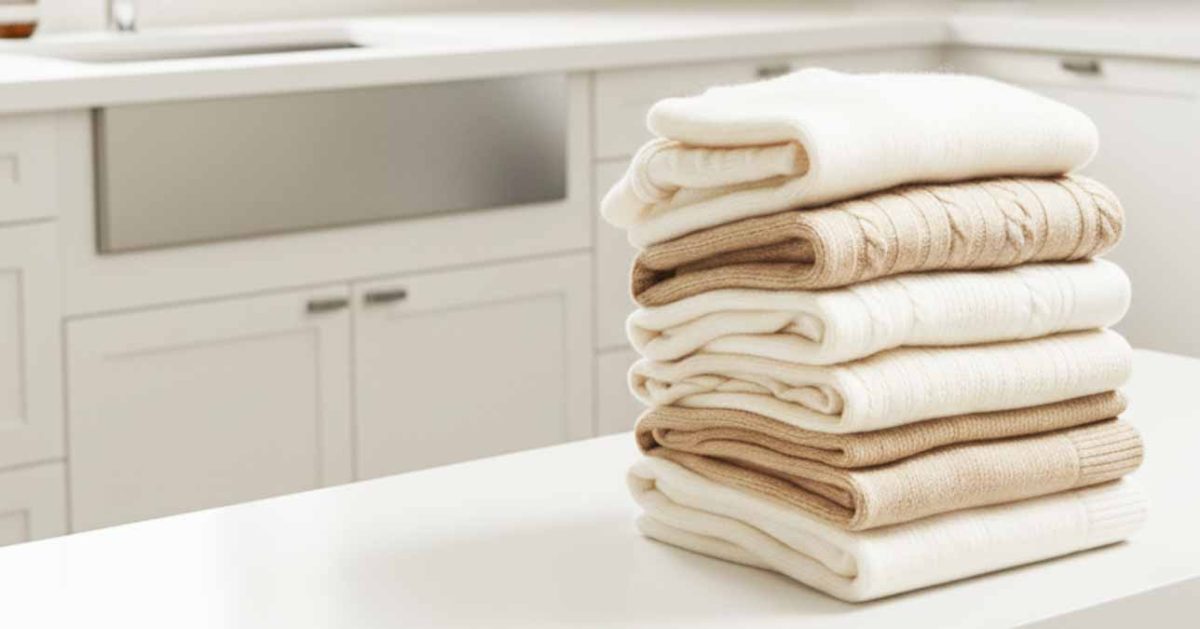
Natural fibres like cotton, linen, hemp, and wool have a far smaller long-term impact on the environment compared to synthetics. Unlike polyester, nylon, or acrylic, natural fibres are made from renewable resources and can biodegrade over time. When they shed during washing or daily wear, these fibres break down in soil and water much more quickly, rather than persisting as microplastics for decades or centuries.
Another advantage is that natural fibres can often be recycled, repurposed, or composted at the end of a garment’s life, giving them more sustainable disposal options. For example, old cotton T-shirts can be shredded and reused in insulation or cleaning cloths, while wool can be recycled into new yarns.
Choosing natural fibres also helps reduce our dependence on fossil fuels, since most synthetic fabrics are petroleum-based. By supporting clothing made from natural materials, we encourage a shift towards more sustainable farming and textile production, while helping to keep plastic pollution out of our waterways and ecosystems.
Australia and beyond
While data specific to Australia on microfibre release is still growing, here are some relevant facts:
- Australians are among the highest per-capita consumers of textiles in the world. On average, Australians buy 56 new clothing items each year, more than many other countries. (
- Australia sends large volumes of textile and clothing waste to landfill. Each year over 300,000 tonnes of clothing waste are disposed of or exported every year.
- More than half of clothing sold in Australia is made from polyester, a synthetic fabric prone to shedding micofibres.
- Around the world, washing clothes is one of the biggest sources of microfibre pollution. Studies show that every wash load can release huge amounts of fibres, often hundreds of thousands and sometimes even millions of fibres) depending on the type of fabric and the wash cycle used.
Although we don’t yet have precise measurements of microfibre release from Australian households, given the high proportion of synthetic clothing, frequent washing, and textile waste statistics, it’s likely that microfibre pollution is a non-trivial part of the local environmental load.
What can you do to reduce microfibre release?
Here are practical steps for consumers can take to reduce the release of microfibres from their clothing into the environment.
Simple changes at home
- Wash clothes less often; when you do, use gentle cycles, cold water, shorter wash times.
- Wash full loads (but don’t overfill).
- Use front-loading machines (or high-efficiency washers) where possible; avoid washer settings with very high agitation.
- Avoid tumble dryers; air dry where possible.
- Use laundry bags / pouches or washing machine filters that trap microfibres.
- Buy higher quality garments, better constructed, with tighter weave/yarn twist.
- Choose natural fibres or blends that biodegrade more readily.
- Repair, upcycle and reuse clothing so garments last longer.
Washing bags and washing machines that stop microfibre release
One of the most effective ways individuals can reduce microfibre pollution is by using specially designed washing bags or filters.
Products like the Guppyfriend washing bags are made from fine, durable mesh that traps microfibres during the wash. Clothes are placed inside the bag before going into the machine, and once the cycle is finished, the fibres can be collected and disposed of properly in household waste (not down the drain). Not only does this reduce microfibre release, but it also protects the garments inside, helping them last longer.
There are also in-drum filters and external washing machine filters available that catch fibres before they enter wastewater systems.
Some brands are now designing washing machines with built-in microfibre filtration technology, a step that could make a significant difference if widely adopted. For example, France has already passed legislation requiring all new washing machines to include microfibre filters from 2025, and similar regulations are being discussed in other countries.
Even without specialist products, choosing a gentler wash cycle, colder water, and air drying instead of tumble drying can reduce shedding. Pairing these everyday choices with a washing bag or filter system is one of the most accessible and effective actions households can take to keep microfibres out of rivers, oceans, and soils.
Small steps toward solving a big problem
Microfibres may be hard to see, but they are closely connected to how we make, wear, wash, and care for our clothes. The good news is that every small change adds up.
By choosing garments that are built to last, repairing and upcycling what we already own, buying quality second-hand pieces, and selecting fabrics that shed less when we do buy new, we can all play a part in reducing microfibre pollution.
When enough of us take these steps, we inspire change at every level. From designers and clothing manufacturers to policymakers and everyday wearers, together we can slow the flow of microfibres into our waterways and soils, reduce reliance on new synthetic fibres, and move toward a more sustainable fashion system.
Every mindful choice gives our clothes a second life and helps protect the planet, one wash at a time.
Join a clothing sustainability workshop
Discover the joy of transforming your wardrobe at one of my fun, hands-on clothes upcycling and sustainability classes. Learn how to alter, mend, and upcycle clothes so they fit better, last longer, and reflect your personal style. From simple alterations to complete transformations, you’ll gain practical skills that breathe new life into your favourite pieces.
My clothing sustainability workshops go beyond the sewing machine. I explore practical ways to reduce your fashion footprint, make your home and wardrobe more eco-friendly, and embrace slow fashion. Whether you’re just starting your sustainability journey or looking to build on existing habits, you’ll leave with actionable tips you can put into practice straight away.
Learn to shop smarter, avoid fast fashion, and choose to alter, mend, upcycle, and repurpose instead. Small changes in how you care for your clothes can make a big impact – for the planet, for your wallet, and for your unique style.
Clothes upcycling and sustainability workshops are held at our Northern Beaches studio in Sydney (near Northern Beaches Hospital), with private lessons and group sessions available. All workshops can be run offsite at your community event or workplace.
I hope to see you at one of my workshops soon.
Bex Mitchell
0418 118 401
Send an SMS
[email protected]