A beginners guide to clothes upcycling

Clothes upcycling tips for beginners.
Fast fashion has made it easier than ever to buy new clothes, but it has also made it just as easy to overlook what we already have.
Hidden in your wardrobe are garments with untapped potential. These might be clothes that don’t quite fit, pieces you’ve fallen out of love with, or items that simply need a little attention to bring them back to life.
The good news is that you don’t need to be an expert sewer or own expensive equipment to start upcycling clothes. With a few simple techniques, a bit of creativity, and a willingness to experiment, you can refresh your wardrobe, reduce waste, and create pieces that feel completely unique to your personal style.
Sewing is meant to be fun, so don’t be intimidated.
One of the biggest barriers for beginners is the belief that sewing is complicated or difficult to learn. In reality, it’s far more accessible than most people think.
You don’t have to master everything at once. I often tell students in my beginner sewing classes that it’s all about practising, experimenting, and trying new things.
Does it matter if you make a mistake? Absolutely not! Fashion is personal, and often you’re the only one who will notice.
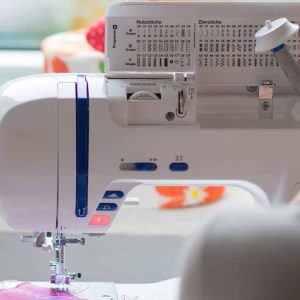
Starting with simple projects and allowing yourself to make mistakes is part of the process. Even learning basic skills, like how to use a sewing machine, reattach buttons, shorten a hem, or take in a garment, can open up a world of possibilities.
You don’t even need to own a machine to get started. Many alterations can be done with just a needle and thread.
If you do want to try a machine, you could borrow one from a friend or even hire one through sustainability services like The Sydney Library of Things.
The most important step is simply to start. Every project builds your confidence and your skills.

Start with clothes you already own.
Before buying anything new, take a fresh look at your wardrobe.
There are likely hidden gems already sitting there, you just haven’t seen them differently yet.
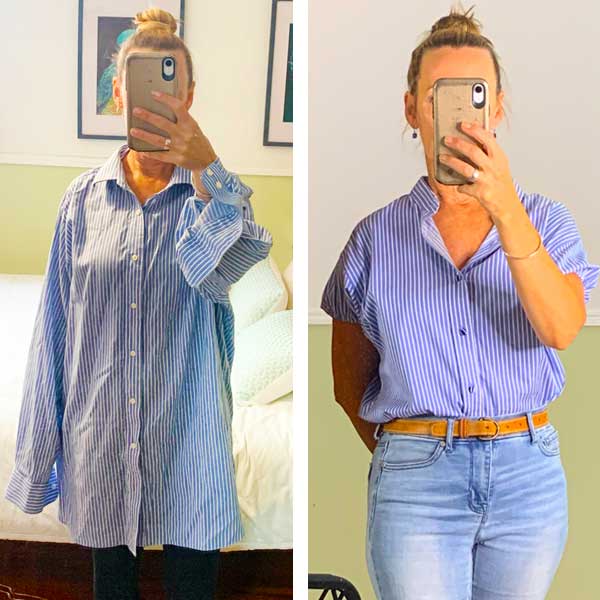
Often, the issue isn’t the garment itself, but how it fits or how it’s styled. A shirt that feels too oversized could be reshaped. A dress that feels outdated might just need a shorter hem. Something you’ve stopped wearing might only need a small update to feel new again.
Clothes upcycling starts with reimagining what you already have.
If you ever feel stuck, look for inspiration online or in stores. Many high-end designs are surprisingly simple and can be recreated in your own way.

Enjoy the treasure hunt of second hand and thrift shopping.
Op shops, second-hand markets, and thrift stores are one of the best places to find materials for upcycling clothes.
Instead of seeing secondhand garments as finished pieces, think of them as raw materials.
Oversized items are especially useful because they give you more fabric to work with. A men’s shirt, for example, can easily be transformed into a fitted top, skirt, or even multiple smaller projects.
You’ll also discover unique fabrics, textures, and patterns that aren’t found in mainstream retail, which makes your creations more distinctive.
Older garments are often better made than modern fast fashion pieces, making them ideal for alterations.
Shopping this way saves money and reduces demand for new clothing production, making it a more sustainable choice.
Simple tools can often solve big problems.
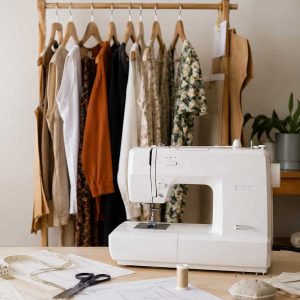
You don’t need a full studio setup to get started with clothes upcycling for beginners.
A few essential tools are enough:
- A basic sewing kit
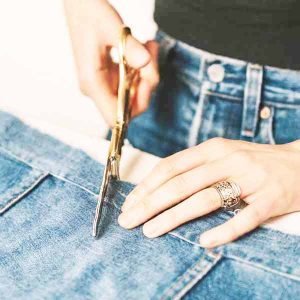
- Fabric scissors
- A seam ripper
- Buttons, ribbons, or trims
As your confidence grows, you can expand your toolkit over time.

Simple alterations can make a big difference.
You don’t need advanced skills to dramatically improve how a garment looks and feels.
Here are some of my favourite beginner-friendly techniques for how to alter clothes.
Adjusting the Fit
If something is too big, adding darts or taking in seams can create a more flattering shape.
If something is too small, you can add panels to create extra room while turning it into a design feature. Even moving buttons slightly can improve the fit.
Changing the Length
Length is one of the easiest things to adjust. Shortening a dress, skirt, or pants can instantly modernise a piece.
If something is too short, you can add panels, lace, or fringing. There are plenty of creative options.
Reshaping Garments
Small structural changes, like removing sleeves, adjusting a neckline, or altering the silhouette, can completely transform a garment.
These simple alterations are often enough to turn something unworn into a favourite.

Perfection isn’t the goal.
Upcycling clothes and learning how to alter clothes is about creativity, experimentation, and giving garments a second chance.
Every project teaches you something new, and over time, your skills will naturally improve.
Focus on enjoying the process and embracing the individuality of what you create.

Garment care: repair instead of replace.
It’s easy to throw clothes away when they become worn or damaged, but many items can be repaired in ways that add character.
Visible mending is a creative way to repair clothing while making it a feature.
You can:
- Embroider over holes
- Add fabric patches
- Use decorative stitching
Patches are widely available from places like Kmart, Spotlight, haberdashery stores, online, and local markets.
Instead of hiding imperfections, visible mending allows your clothing to evolve and tell a story.

Clothes dyeing is one of my favourite clothes upcycling techniques.
Dyeing is one of the easiest and most effective clothes upcycling techniques.
If a garment has faded, looks washed out, or no longer suits your style, changing the colour can completely transform it.
A simple tip is to collect items you want to dye and do them in one batch. This saves both time and money.

Build up your haberdashery and upcycling stash.
Start keeping useful materials instead of throwing them away.
Scrap fabric, old clothing, zips, ribbons, and trims can all be reused for future projects.
Having your own “upcycling stash” means you’ll always have materials ready when inspiration strikes.
Stop following trends. Develop your personal style.
Not every wardrobe refresh requires sewing.
Sometimes, simply changing how you style your clothes can make all the difference.
Experiment with layering, mixing pieces you wouldn’t normally combine, and adding accessories.
Often, we stop wearing something not because we don’t like it, but because we’ve run out of ways to wear it.

Learn together and stay inspired.
Learning to sew doesn’t have to be a solo journey.
My sewing classes and clothes upcycling workshops are designed to be supportive, creative, and fun.
In my beginner sewing classes, you’ll learn how to use a sewing machine correctly and build the foundational skills you need to get started.
In my upcycling and alteration workshops, I share practical ideas and techniques, and participants also contribute their own ideas. This collaborative environment helps build confidence and sparks creativity.
Learning alongside others makes the process more enjoyable and far less intimidating.
Ready to start your clothes upcycling journey?
If you’ve been thinking about learning how to alter clothes, wanting to learn to use a sewing machine, or simply looking for a more sustainable way to refresh your wardrobe, there’s no better time to start.
With a few simple skills and the right guidance, you can transform what you already own into pieces you genuinely love to wear.
If you’d like support along the way, you can book into one of my clothes upcycling and alteration workshops or join my beginner sewing classes, where you’ll learn practical skills in a relaxed, hands-on environment.
Questions? Contact me directly.
Bex Mitchell
0418 118 401
Send an SMS
[email protected]